kitchen flooring · 6 min read
Kitchen Flooring Options: How to Choose the Right Surface for Your Home
By Dean Marchetti · Published 4 November 2026
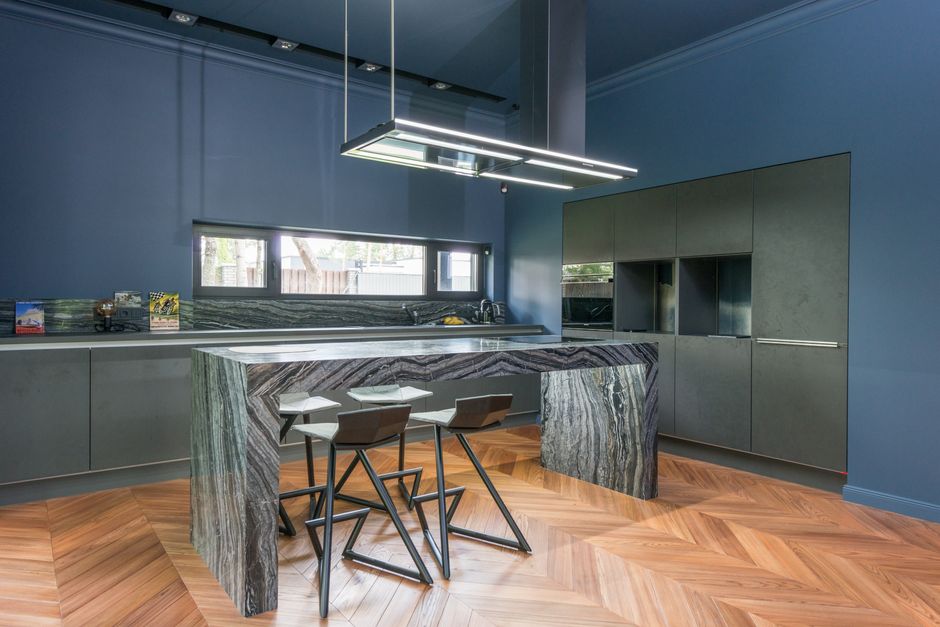
Choosing the right flooring for your kitchen is one of the most important decisions you will make in any renovation or new build, because it affects everything from daily comfort underfoot to long-term maintenance costs. This guide walks through the most practical kitchen flooring options available in 2026, so you can make a confident, informed choice.
How to Choose the Right Kitchen Flooring
Before you settle on a material, it helps to think about how your kitchen actually works day to day. High foot traffic, spills, dropped utensils and constant moisture from cooking and cleaning all put enormous pressure on a floor. The right choice balances four key factors: durability, slip resistance, ease of cleaning, and how well the floor ties in with the rest of the space.
Start by asking yourself these questions:
- How much foot traffic does your kitchen get? A busy family kitchen needs a tougher surface than a small apartment galley.
- Do you have young children or elderly household members? Slip resistance and comfort underfoot become far more important in those situations.
- What is your maintenance commitment? Some surfaces need sealing or polishing regularly, while others are virtually set-and-forget.
- What is your overall design direction? Your flooring should complement your kitchen cabinet style and benchtop finishes, not fight against them.
Budget matters too, but try not to let the upfront price be your only guide. A cheaper surface that chips, stains or needs replacing in five years will cost you more in the long run than a premium option installed correctly from the start. Sydney homeowners are increasingly looking at seamless, hard-wearing coatings precisely because they perform well under pressure without demanding constant upkeep. Keep those priorities in mind as you read through each option in the sections below.
Hardwood and Engineered Wood Flooring in the Kitchen
Few materials bring warmth and character to a kitchen the way timber does. Hardwood and engineered wood flooring have grown in popularity among Sydney homeowners who want that classic, natural aesthetic without sacrificing durability. That said, it pays to understand the key differences between the two before committing to either option.
Solid hardwood is milled from a single piece of timber and can be sanded and refinished multiple times over its lifespan. In a kitchen, however, solid hardwood carries some real risks. Moisture from spills, steam and humidity causes the boards to expand and contract, which can lead to warping or gapping over time. Proper sealing and prompt clean-up of any liquid are non-negotiable if you go this route.
Engineered wood is the more practical choice for kitchen environments. It is constructed from a real timber veneer bonded over multiple layers of plywood or high-density fibreboard. This cross-ply construction makes it significantly more stable under humidity and temperature fluctuations, which is exactly what a busy Sydney kitchen demands.
Here is a quick comparison of the two:
| Feature | Solid Hardwood | Engineered Wood | | --- | --- | --- | | Moisture resistance | Low | Moderate | | Refinishing potential | High (multiple times) | Limited (1–2 times) | | Stability underfoot | Moderate | High | | Cost | Higher | Mid-range |
Both options require a well-prepared subfloor to perform properly. Any unevenness, moisture issues or contamination in the concrete slab beneath will telegraph through the boards and cause long-term problems. This is a point worth keeping in mind as you explore every kitchen flooring option on this list.
Tile, Stone and Vinyl: Popular Kitchen Flooring Options Compared
When Sydney homeowners start researching kitchen flooring, tiles, natural stone and vinyl planks tend to dominate the shortlist. Each has genuine strengths, but each also comes with trade-offs worth understanding before you commit.
- Ceramic and porcelain tile: Hard-wearing and water-resistant, tiles handle spills well. The grout lines are the weak point, collecting grease and grime over time. They are also unforgiving underfoot during long cooking sessions, and cracked tiles can be difficult to match years down the track.
- Natural stone (marble, travertine, slate): Visually impressive, but porous surfaces require regular sealing and careful maintenance. Stone is heavy, expensive to install and can chip under dropped cookware. In a busy family kitchen, the upkeep adds up quickly.
- Luxury vinyl plank (LVP): Budget-friendly and comfortable underfoot, modern vinyl has improved dramatically. It handles moisture reasonably well in low-traffic kitchens, though it can scuff, dent or peel at the edges under sustained heavy use or extreme temperature changes near appliances.
A common thread across all three is that surface preparation is everything. Even the best tile or vinyl installation will fail prematurely if the substrate underneath is uneven, damp or poorly bonded. This is the same principle that drives the diamond-grinding prep process behind Ironclad's coating systems, and it applies just as much to traditional flooring materials.
For kitchens that need something tougher than tile grout lines can offer, and more seamless than vinyl planks, a professionally applied floor coating is worth serious consideration. You can browse finished results across a range of Sydney homes and commercial sites in the Ironclad project gallery to get a sense of what a fully bonded, seamless surface looks like in practice.
Budget, Durability and Maintenance Compared
Choosing the right kitchen floor almost always comes down to three practical questions: what does it cost upfront, how long will it last, and how much work will it need over the years? The table below gives you a quick side-by-side view of the most popular options.
| Flooring Type | Approximate Installed Cost (per m²) | Expected Lifespan | Maintenance Level | | --- | --- | --- | --- | | Vinyl (LVP/LVT) | $40, $90 | 10–20 years | Low | | Ceramic or Porcelain Tile | $60, $150 | 20–30+ years | Low to Medium | | Hardwood | $100, $200 | 25–50 years (with refinishing) | Medium to High | | Laminate | $35, $80 | 10–15 years | Low | | Epoxy Coating | $50, $120 | 15–25+ years | Very Low |
Epoxy stands out for kitchens because it creates a seamless, non-porous surface that leaves grease, moisture and food spills nowhere to hide. A quick mop is genuinely all the routine care it requires. Tiles are equally durable, but grout lines trap bacteria and demand regular sealing. Hardwood looks beautiful yet needs refinishing every few years and dislikes the humidity swings common in Sydney kitchens. Laminate is budget-friendly but can swell and bubble if water seeps through joins.
When you factor in long-term maintenance costs alongside the upfront price, epoxy and porcelain tile consistently offer the strongest value over a decade or more, particularly in busy households or open-plan homes where the kitchen floor takes a real beating every day.
Every kitchen is different, and the best flooring choice depends on your budget, lifestyle and the condition of the concrete or subfloor underneath. Whether you lean toward the warmth of timber, the practicality of tile or the low-maintenance performance of an epoxy coating, understanding these trade-offs puts you in the best position to make a decision you will be happy with for decades to come.

Dean Marchetti
Founder & Managing Director at Ironclad Floor Solutions. About the author