Commercial · Sydney
Food-Grade Epoxy Flooring in Sydney
HACCP-friendly, seamless, anti-slip epoxy floors for commercial kitchens, food processing and cold storage — hygienic, impervious and easy to sanitise.
- 10-Year Warranty
- $20 million public liability Insured
- Diamond-Ground Prep
About Food-Grade Epoxy Flooring
Food-grade epoxy flooring provides the seamless, impervious, easy-to-sanitise surface that commercial kitchens, food-processing facilities, bakeries, cold stores and beverage plants need to meet hygiene and food-safety requirements. Food environments demand a floor with no cracks, joints or pores where bacteria, moisture and food residue can collect — and one that withstands constant wash-downs, hot and cold spills, fats, oils, acids and heavy cleaning chemicals. A correctly specified food-grade system delivers exactly that: a hygienic, durable, slip-resistant floor that supports a HACCP-based food-safety program.
The defining features are seamlessness and coving. We install the floor as a continuous, jointless surface and form coved skirting up the walls so there are no 90-degree floor-to-wall junctions to trap debris — the floor and cove wash down as one impervious surface. The system itself is typically a high-build epoxy or aggregate-filled epoxy mortar chosen for impact, thermal-shock and chemical resistance, with anti-slip aggregate built in at a level appropriate for wet, greasy kitchen and processing floors where slip safety is a daily reality.
Hygiene and safety drive every detail. The impervious surface resists bacterial harbourage and is easy to clean and sanitise; antimicrobial additives are available where specified; and the slip resistance is tuned for the wet, oily conditions of a working food floor to protect staff. The system is engineered to handle thermal shock from hot wash-downs and cold-room conditions, the acids and fats of food production, and the heavy traffic of trolleys, racks and equipment — all while remaining straightforward to keep clean to audit standard.
These are demanding installations and preparation is critical: diamond grinding or shot-blasting, crack and joint repair, moisture testing and priming, plus careful detailing of coving, drainage falls and equipment penetrations. We understand food businesses can’t close for long, so we program work around production schedules and use faster-curing systems where downtime must be minimised. We carry $20 million public liability cover and work to SafeWork NSW requirements. If your kitchen or facility floor needs to meet hygiene standards and survive the conditions, book a free on-site assessment and we’ll specify a food-grade system to suit.
Why Choose Our Food-Grade Epoxy Flooring
- Seamless, impervious surface with coved skirting — no bacteria traps
- Withstands hot and cold wash-downs, fats, oils, acids and sanitisers
- Anti-slip aggregate tuned for wet, greasy food-floor safety
- Supports HACCP-based food-safety programs; antimicrobial options
- Programmed around production schedules to minimise downtime
Coating Systems for Food-Grade Epoxy Flooring
We recommend the right system for how you use the space and the condition of your slab. The systems best suited to food-grade epoxy flooring are:
- Epoxy Mortar Systems — Aggregate-filled, trowel-applied high-build epoxy for extreme compression, impact and wear — and for rebuilding damaged slabs.
- Solid Colour Epoxy — A clean, uniform single-colour high-build epoxy for a crisp commercial-look floor that brightens the space and cleans easily.
- Anti-Slip & Safety Coatings — Graded aggregate bound into a coating to deliver measurable AS 4586 slip resistance for ramps, wet areas, kitchens and pool decks.
Not sure which is right? Our coating systems guide compares durability, cost, UV stability and cure time side by side.
Surface Preparation Comes First
The single biggest factor in whether your food-grade epoxy flooring lasts is what happens before the coating goes down. We diamond-grind the concrete to the correct CSP 2–3 profile, moisture-test the slab, structurally repair cracks and joints, and apply a penetrating primer. Skipping any of this is exactly why cheap coatings bubble, peel and delaminate within months. Read more about how we prepare concrete.
Pricing & Timeframe
As a guide, food-grade epoxy flooring typically costs from around $45–$110 per m², depending on the system, the size of the area and the condition of the concrete. Every quote is a fixed price confirmed after we inspect your floor in person — there are no hourly surprises. Most commercial floors are staged around your operations, and every job is backed by our 10-year written warranty and $20 million public liability public liability cover.
Our Food-Grade Epoxy Flooring Process
A disciplined, preparation-first process on every job — single garage or full warehouse.
- 01
Free On-Site Quote
We visit your Sydney property, assess the floor area and condition, discuss the coating system options, and provide a written fixed-price quote. No obligation.
- 02
Surface Preparation
We diamond-grind the concrete to the correct profile, test for moisture, repair any cracks or damage, and apply primer. This step decides whether your floor lasts 10 years or 10 months.
- 03
Base Coat Application
The epoxy base coat is applied to the prepared surface. For flake systems, decorative chips are broadcast at this stage. For metallic systems, pigment and metallic powder are worked into the wet coat.
- 04
Topcoat & Sealing
A clear polyurethane or polyaspartic topcoat is applied for protection, sheen and slip resistance. This is the surface you see and walk on.
- 05
Cure & Handover
Light foot traffic typically within 24 hours, full vehicle or heavy traffic within 72 hours. We walk through the finished floor with you and leave the site clean.
Food-Grade Epoxy Flooring — Before & After
Drag the slider to reveal the transformation on recent Sydney projects.

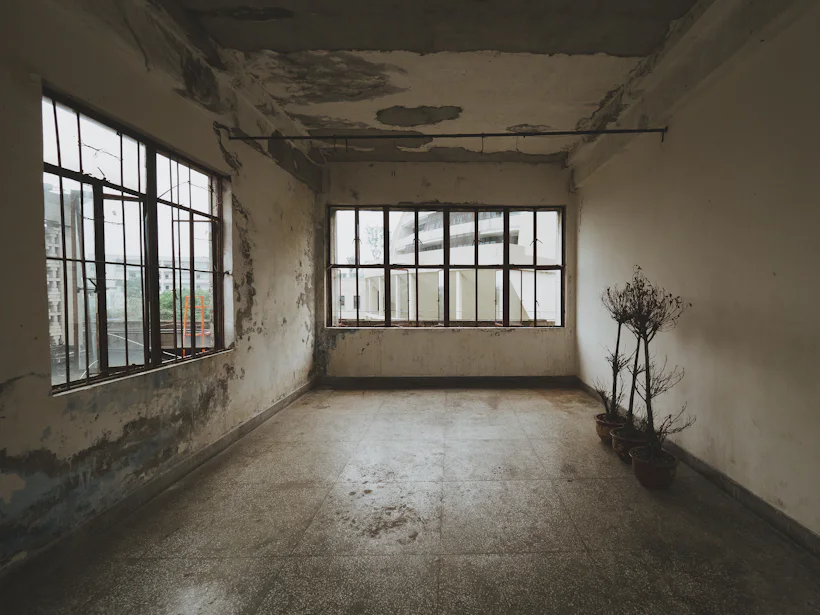
Warehouse — Wetherill Park
High-build epoxy · 1800m² · Wetherill Park
Forklift-rated warehouse floor with integrated line marking, staged over three weekends.

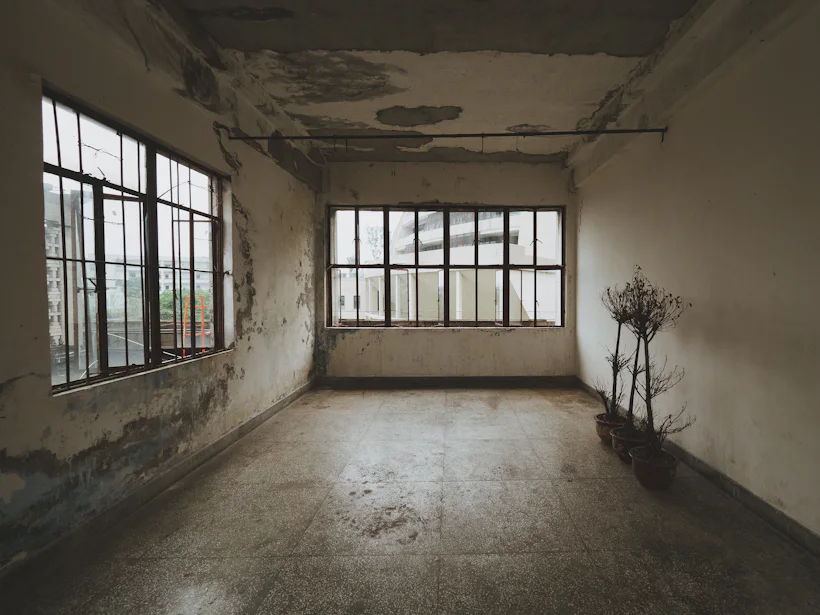
Factory — Silverwater
Epoxy mortar · 950m² · Silverwater
Spalled forklift paths rebuilt with epoxy mortar and recoated.

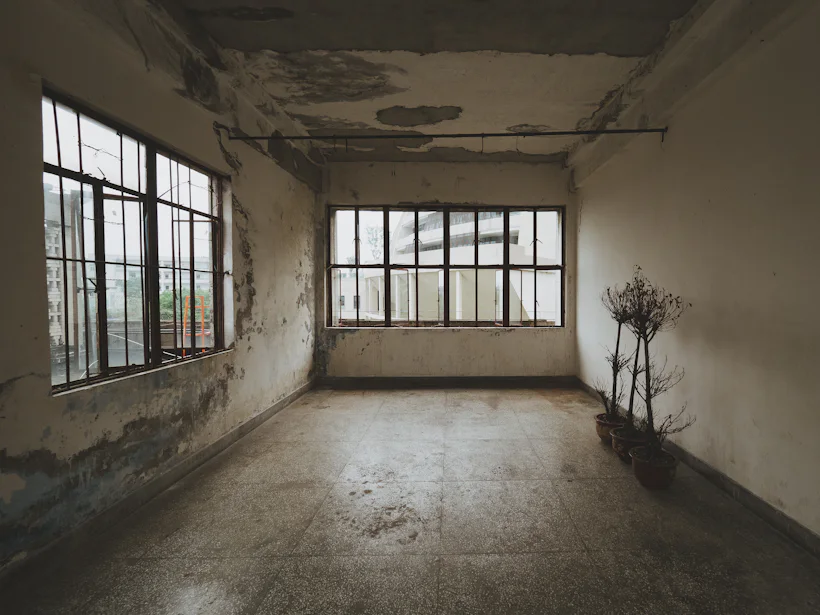
Commercial kitchen — Lidcombe
Food-grade epoxy · 70m² · Lidcombe
HACCP-friendly food-grade kitchen floor with coved skirting and anti-slip.
Drag any slider to reveal the transformation. Browse all projects.
Food-Grade Epoxy Flooring Reviews
Real projects across Sydney, from single garages to multi-thousand-square-metre floors.
“We needed a seamless, hygienic floor for the kitchen that would pass our food-safety audit. They installed it with coved skirting over a weekend so we didn’t lose trade. The anti-slip is spot on for a busy wet kitchen and it cleans up perfectly.”
Food-Grade Epoxy Flooring — FAQs
How much does food-grade epoxy flooring cost?
Food-grade systems typically range from $45 to $110 per square metre, reflecting the seamless build, coving, anti-slip and chemical-resistant specification required. Coving, drainage detailing and antimicrobial additives add to the spec. We provide a written quote after a site assessment.
Is the flooring HACCP compliant?
The floor supports a HACCP-based food-safety program by providing a seamless, impervious, easy-to-sanitise surface with coved junctions and no bacteria-harbouring cracks or joints. HACCP is a whole-of-facility program, but the right floor is a key element of it, and we specify to suit.
What is coving and why does it matter?
Coving is a curved, sealed skirting that runs the floor coating up the wall, eliminating the 90-degree floor-to-wall junction where debris and bacteria collect. It lets the floor and wall base wash down as one continuous impervious surface — essential for hygienic food environments.
Can the floor handle hot wash-downs and cold rooms?
Yes — we specify systems engineered for thermal shock, so they cope with hot water and steam cleaning as well as cold-room and freezer conditions. The right system for your temperature range is selected during the assessment.
Is it slip-resistant for a wet, greasy kitchen?
Yes. Slip safety is critical in food environments, so we build anti-slip aggregate into the surface at a level tuned for wet and greasy conditions, helping protect staff while remaining cleanable to audit standard.
How do you minimise downtime for a working kitchen?
We program the work around your production or trading schedule — often nights, weekends or in zones — and use faster-curing systems where downtime must be minimal. We coordinate closely so you can plan around the installation and reopening.
How durable and chemical-resistant is the floor?
Food-grade systems are built to resist the fats, oils, acids, sugars and cleaning chemicals of food production, plus heavy trolley and equipment traffic, for years. Epoxy mortar builds are used in severe-duty processing areas for maximum impact and abrasion resistance.
Can you install drainage falls and seal around equipment?
Yes. We can form falls to drains and detail the coating neatly around drains, plinths, penetrations and fixed equipment so the whole floor sheds water and washes down cleanly. This detailing is part of a properly specified food-grade installation.
Get Your Free Commercial Quote
Book a free, no-obligation assessment for your food-grade epoxy flooring project anywhere in Sydney.