Commercial · Sydney
Epoxy Mortar Systems in Sydney
Aggregate-filled, trowel-applied epoxy mortar for extreme wear, impact and load — the heavy-industrial answer for the toughest floors and repairs.
- 10-Year Warranty
- $20 million public liability Insured
- Diamond-Ground Prep
About Epoxy Mortar Systems
Epoxy mortar systems are the heavy-industrial end of the range — a thick, aggregate-filled, trowel-applied floor built for extreme compressive strength, impact resistance and wear. By blending graded aggregate into the epoxy resin and laying it at high build (typically several millimetres thick), the system creates a dense, monolithic surface that withstands the punishment standard coatings can’t: constant heavy forklift traffic, dropped loads and point impact, severe abrasion, thermal shock and aggressive chemicals. It’s the system specified for the toughest floors in manufacturing, food processing, workshops, loading docks and warehousing.
Beyond new floors, epoxy mortar is the go-to for rebuilding and repairing damaged concrete. Where a slab is spalled, pitted, worn down, or has failed at joints and high-traffic lines, an epoxy mortar can be trowelled in to re-level and re-profile the surface, restoring a sound, hard-wearing floor without the cost and disruption of replacing the slab. It can rebuild damaged areas to grade, repair worn forklift paths, patch impact damage and re-form falls to drains — bonding to the prepared concrete to create a repair that’s often stronger than the original.
The performance comes from both the material and the build thickness. The aggregate gives the system its exceptional compressive and impact strength, while the high build provides a thick wear layer that lasts under severe-duty traffic. Anti-slip texture is inherent or can be tuned into the surface, and the system can be finished and sealed for chemical resistance and cleanability. In food and processing environments, epoxy mortar is frequently combined with coving and a hygienic topcoat to deliver a floor that’s both extremely tough and easy to sanitise.
These are skilled, demanding installations and preparation is paramount: aggressive mechanical preparation (grinding or shot-blasting), crack and joint repair, moisture testing and priming, with careful detailing of edges, falls and penetrations. Trowel-applying mortar to a consistent grade takes genuine craft. We work to SafeWork NSW requirements, carry $20 million public liability cover, and stage work to keep facilities running. When a floor has to take the worst your operation can throw at it — or a worn slab needs rebuilding rather than replacing — book a free on-site assessment and we’ll specify the right epoxy mortar system.
Why Choose Our Epoxy Mortar Systems
- Extreme compressive and impact strength for the toughest floors
- High-build, trowel-applied wear layer for severe-duty traffic
- Rebuilds and re-levels spalled, pitted or worn slabs — avoids replacement
- Inherent or tunable anti-slip; chemical-resistant and cleanable
- Combines with coving and hygienic topcoats for food/processing floors
Coating Systems for Epoxy Mortar Systems
We recommend the right system for how you use the space and the condition of your slab. The systems best suited to epoxy mortar systems are:
- Epoxy Mortar Systems — Aggregate-filled, trowel-applied high-build epoxy for extreme compression, impact and wear — and for rebuilding damaged slabs.
- Anti-Slip & Safety Coatings — Graded aggregate bound into a coating to deliver measurable AS 4586 slip resistance for ramps, wet areas, kitchens and pool decks.
- Solid Colour Epoxy — A clean, uniform single-colour high-build epoxy for a crisp commercial-look floor that brightens the space and cleans easily.
Not sure which is right? Our coating systems guide compares durability, cost, UV stability and cure time side by side.
Surface Preparation Comes First
The single biggest factor in whether your epoxy mortar systems lasts is what happens before the coating goes down. We diamond-grind the concrete to the correct CSP 2–3 profile, moisture-test the slab, structurally repair cracks and joints, and apply a penetrating primer. Skipping any of this is exactly why cheap coatings bubble, peel and delaminate within months. Read more about how we prepare concrete.
Pricing & Timeframe
As a guide, epoxy mortar systems typically costs from around $60–$140 per m², depending on the system, the size of the area and the condition of the concrete. Every quote is a fixed price confirmed after we inspect your floor in person — there are no hourly surprises. Most commercial floors are staged around your operations, and every job is backed by our 10-year written warranty and $20 million public liability public liability cover.
Our Epoxy Mortar Systems Process
A disciplined, preparation-first process on every job — single garage or full warehouse.
- 01
Free On-Site Quote
We visit your Sydney property, assess the floor area and condition, discuss the coating system options, and provide a written fixed-price quote. No obligation.
- 02
Surface Preparation
We diamond-grind the concrete to the correct profile, test for moisture, repair any cracks or damage, and apply primer. This step decides whether your floor lasts 10 years or 10 months.
- 03
Base Coat Application
The epoxy base coat is applied to the prepared surface. For flake systems, decorative chips are broadcast at this stage. For metallic systems, pigment and metallic powder are worked into the wet coat.
- 04
Topcoat & Sealing
A clear polyurethane or polyaspartic topcoat is applied for protection, sheen and slip resistance. This is the surface you see and walk on.
- 05
Cure & Handover
Light foot traffic typically within 24 hours, full vehicle or heavy traffic within 72 hours. We walk through the finished floor with you and leave the site clean.
Epoxy Mortar Systems — Before & After
Drag the slider to reveal the transformation on recent Sydney projects.
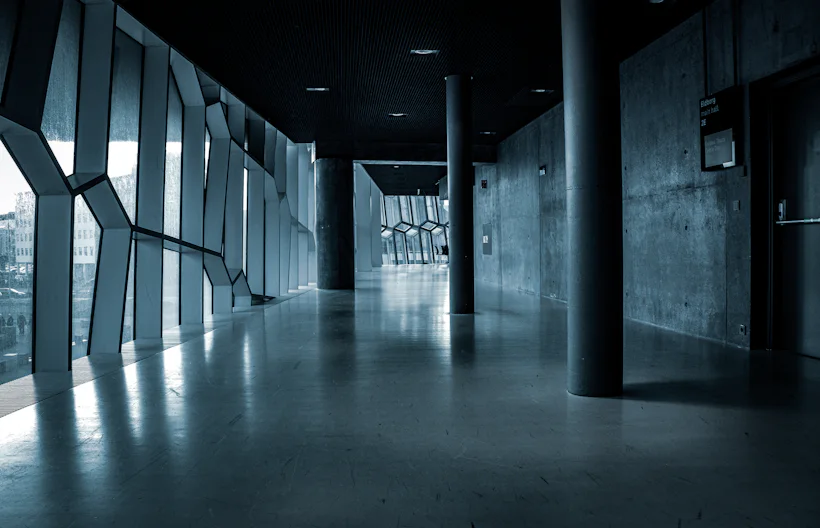
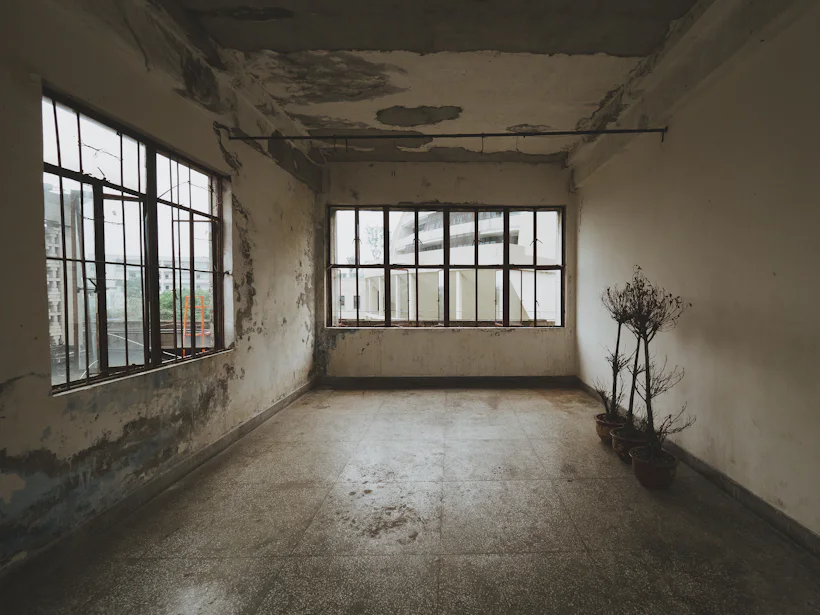
Warehouse — Wetherill Park
High-build epoxy · 1800m² · Wetherill Park
Forklift-rated warehouse floor with integrated line marking, staged over three weekends.
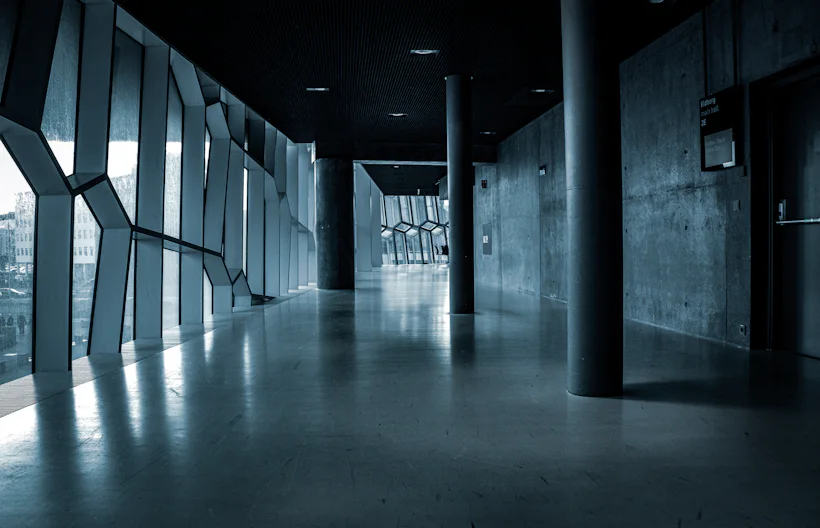
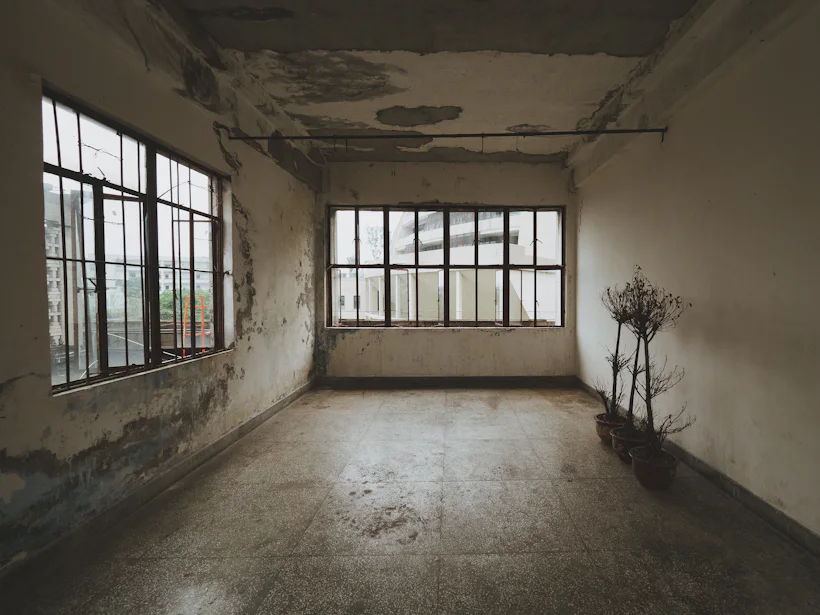
Factory — Silverwater
Epoxy mortar · 950m² · Silverwater
Spalled forklift paths rebuilt with epoxy mortar and recoated.
Commercial kitchen — Lidcombe
Food-grade epoxy · 70m² · Lidcombe
HACCP-friendly food-grade kitchen floor with coved skirting and anti-slip.
Drag any slider to reveal the transformation. Browse all projects.
Epoxy Mortar Systems Reviews
Real projects across Sydney, from single garages to multi-thousand-square-metre floors.
“Our old slab was spalled and failing on the forklift paths. Rather than replace it, Ironclad rebuilt the worn areas with an epoxy mortar and recoated the lot. It’s taking heavy traffic again and looks like a new floor. Saved us a fortune.”
Epoxy Mortar Systems — FAQs
How much do epoxy mortar systems cost?
Epoxy mortar systems typically range from $60 to $140 per square metre, reflecting the high material build, aggregate content and skilled trowel application. Repairs and re-levelling are quoted by the area and depth involved. We provide a written quote after a site assessment.
What makes epoxy mortar stronger than a standard coating?
Graded aggregate is blended into the resin and laid at high build, several millimetres thick. The aggregate delivers exceptional compressive and impact strength, and the thickness provides a substantial wear layer. The result handles loads and impacts that would damage a thin coating.
Can epoxy mortar repair a damaged concrete floor?
Yes — it’s ideal for it. Spalled, pitted or worn slabs, failed joints and worn forklift paths can be rebuilt and re-levelled with epoxy mortar trowelled to grade, restoring a sound floor without replacing the slab. The repair bonds to the prepared concrete and is often stronger than the original.
Where is epoxy mortar typically used?
Heavy-industrial and severe-duty environments: manufacturing, food processing, workshops, loading docks, warehousing and any area with heavy forklift traffic, impact or extreme abrasion. It’s also used wherever a worn slab needs rebuilding rather than coating.
Is epoxy mortar suitable for food facilities?
Yes. In food and processing environments it’s frequently combined with coving and a hygienic topcoat to deliver a floor that’s both extremely durable and easy to sanitise, handling thermal shock from wash-downs and the impact of heavy equipment.
How long does an epoxy mortar floor take to install?
It depends on area, thickness and detailing. Trowel-applying mortar to consistent grade is skilled work, and each layer needs proper cure time. We provide a clear program with return-to-service dates and stage the work to keep your facility operating where possible.
How is the floor prepared before laying mortar?
With aggressive mechanical preparation — grinding or shot-blasting — plus crack and joint repair, moisture testing and priming, and careful detailing of edges, falls and penetrations. Preparation is paramount: an epoxy mortar floor is only as strong as its bond to the slab.
Is epoxy mortar slip-resistant?
It can be. The aggregate gives the surface inherent texture, and we can tune the slip resistance to the area’s needs, which is important in wet processing and wash-down environments. The finish and seal are specified to balance grip, cleanability and chemical resistance.
Get Your Free Commercial Quote
Book a free, no-obligation assessment for your epoxy mortar systems project anywhere in Sydney.