Residential Services · Sydney
Polyaspartic Floor Coatings in Sydney
Fast-curing, UV-stable polyaspartic coatings that let you use the floor sooner and won’t yellow in sunlight — premium performance inside or out.
- 10-Year Warranty
- $20 million public liability Insured
- Diamond-Ground Prep
About Polyaspartic Floor Coatings
Polyaspartic floor coatings are the premium, high-performance choice when you need a floor done fast, finished outdoors, or guaranteed not to yellow in the sun. Chemically, polyaspartic is an aliphatic polyurea — a close cousin of polyurethane — and it brings two big advantages over standard epoxy: it cures remarkably quickly, and it’s UV-stable, so it won’t amber or chalk under sunlight. That combination makes it ideal for garages you can’t be without for long, alfresco and patio areas, pool surrounds, and any sun-exposed concrete.
The headline benefit is speed. A polyaspartic system can be ground, primed, base-coated, flaked and topcoated in a single day in many cases, with the floor ready for foot traffic that evening and vehicles the next day. For busy households, rental turnarounds or businesses that can’t close for three days, that fast return-to-service is a genuine game-changer. The trade-off is a higher material cost and a shorter working window — polyaspartic kicks off fast, so it demands an experienced applicator who can lay and broadcast it before it sets.
Polyaspartic is often used as a high-performance topcoat over a flake or metallic epoxy base, giving you the looks of an epoxy system with the speed and UV stability of polyaspartic. It can also be installed as a full polyaspartic build for maximum durability and chemical resistance. Either way, the preparation is identical to our other systems: diamond grinding to the correct profile, crack and joint repair, moisture testing and priming. The chemistry is more forgiving of moisture and temperature than epoxy, which is part of why it performs so well outdoors and in cooler conditions.
For homeowners, polyaspartic is the system to specify when sunlight, speed or longevity matter most: a north-facing alfresco that would amber a standard epoxy, a pool surround that needs UV stability and slip resistance, or a garage you need back in service tomorrow. It costs more than a standard epoxy build, but you’re paying for measurable performance — faster cure, UV stability, excellent abrasion and chemical resistance, and a long service life. We’ll advise at your free on-site quote whether a polyaspartic topcoat or a full polyaspartic system is the right call for your space and timeframe.
Why Choose Our Polyaspartic Floor Coatings
- Fast cure — many floors completed in a day, back in service next day
- UV-stable: won’t yellow, amber or chalk in direct sunlight
- Ideal for outdoor areas, pool surrounds and sun-exposed concrete
- Excellent abrasion, chemical and stain resistance
- Can be applied over flake or metallic for looks plus performance
Coating Systems for Polyaspartic Floor Coatings
We recommend the right system for how you use the space and the condition of your slab. The systems best suited to polyaspartic floor coatings are:
- Polyaspartic Coatings — Aliphatic polyurea coatings that cure fast and stay UV-stable — used as a high-performance topcoat or full build for speed and sun resistance.
- Flake & Chip Broadcast Epoxy — Decorative vinyl flakes broadcast into an epoxy base coat and sealed — the most popular all-round system for garages and high-traffic floors.
Not sure which is right? Our coating systems guide compares durability, cost, UV stability and cure time side by side.
Surface Preparation Comes First
The single biggest factor in whether your polyaspartic floor coatings lasts is what happens before the coating goes down. We diamond-grind the concrete to the correct CSP 2–3 profile, moisture-test the slab, structurally repair cracks and joints, and apply a penetrating primer. Skipping any of this is exactly why cheap coatings bubble, peel and delaminate within months. Read more about how we prepare concrete.
Pricing & Timeframe
As a guide, polyaspartic floor coatings typically costs from around $60–$120 per m², depending on the system, the size of the area and the condition of the concrete. Every quote is a fixed price confirmed after we inspect your floor in person — there are no hourly surprises. Most residential floors are completed in a few days, and every job is backed by our 10-year written warranty and $20 million public liability public liability cover.
Our Polyaspartic Floor Coatings Process
A disciplined, preparation-first process on every job — single garage or full warehouse.
- 01
Free On-Site Quote
We visit your Sydney property, assess the floor area and condition, discuss the coating system options, and provide a written fixed-price quote. No obligation.
- 02
Surface Preparation
We diamond-grind the concrete to the correct profile, test for moisture, repair any cracks or damage, and apply primer. This step decides whether your floor lasts 10 years or 10 months.
- 03
Base Coat Application
The epoxy base coat is applied to the prepared surface. For flake systems, decorative chips are broadcast at this stage. For metallic systems, pigment and metallic powder are worked into the wet coat.
- 04
Topcoat & Sealing
A clear polyurethane or polyaspartic topcoat is applied for protection, sheen and slip resistance. This is the surface you see and walk on.
- 05
Cure & Handover
Light foot traffic typically within 24 hours, full vehicle or heavy traffic within 72 hours. We walk through the finished floor with you and leave the site clean.
Polyaspartic Floor Coatings — Before & After
Drag the slider to reveal the transformation on recent Sydney projects.
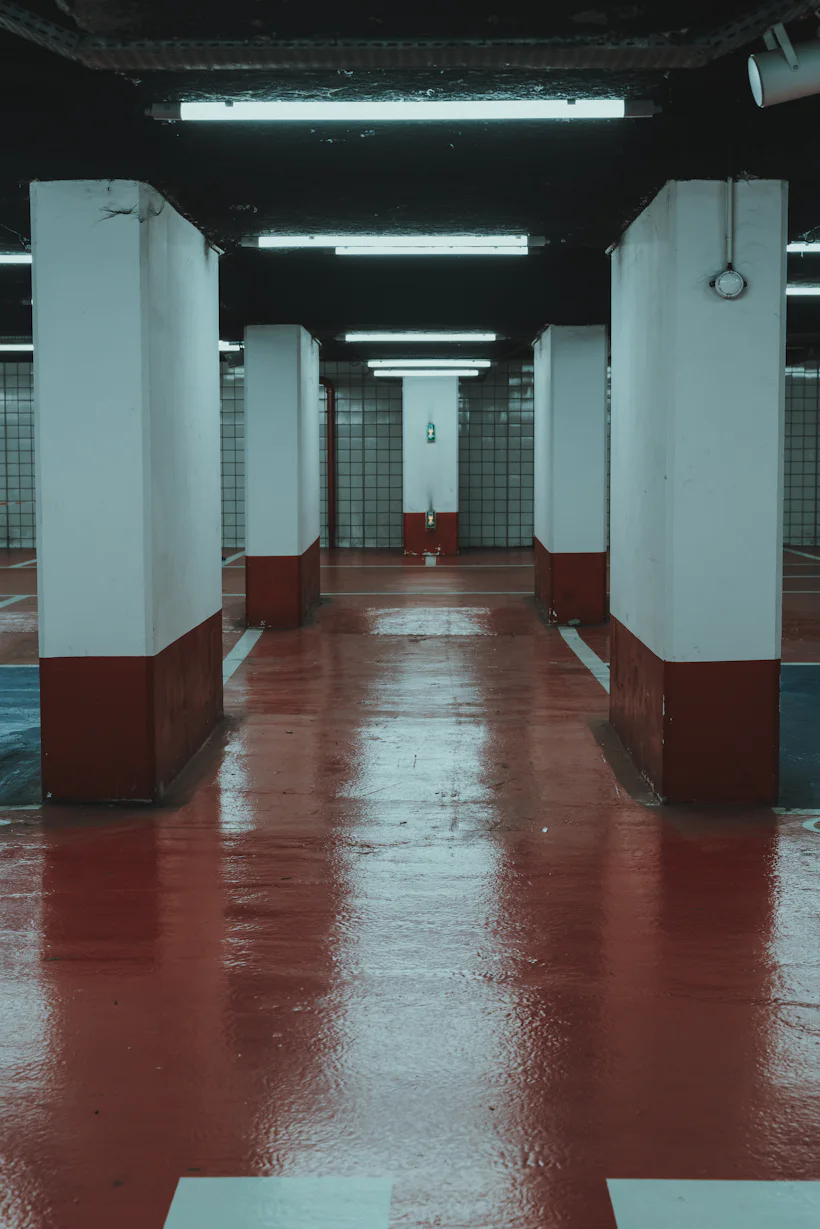
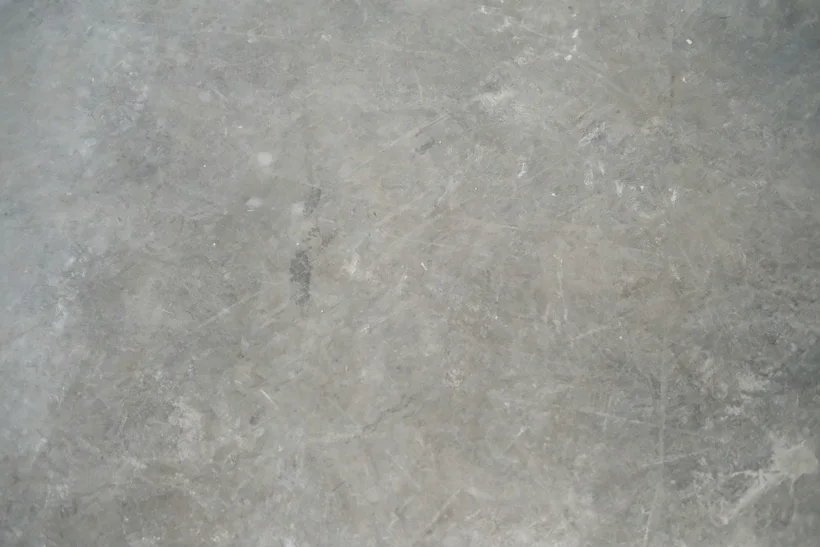
Garage — Baulkham Hills
Flake epoxy · 64m² · Baulkham Hills
Diamond-ground double garage with crack repair, finished in a charcoal/silver flake blend and polyurethane topcoat.
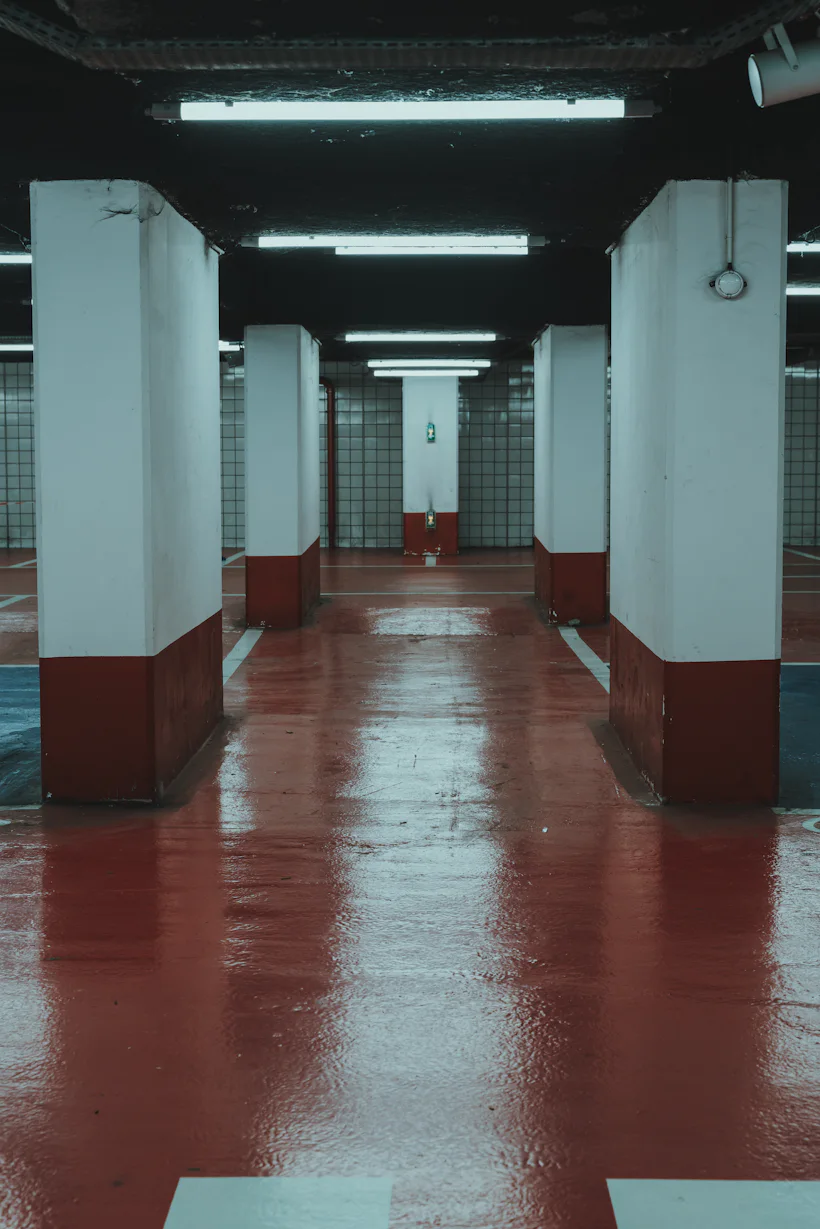
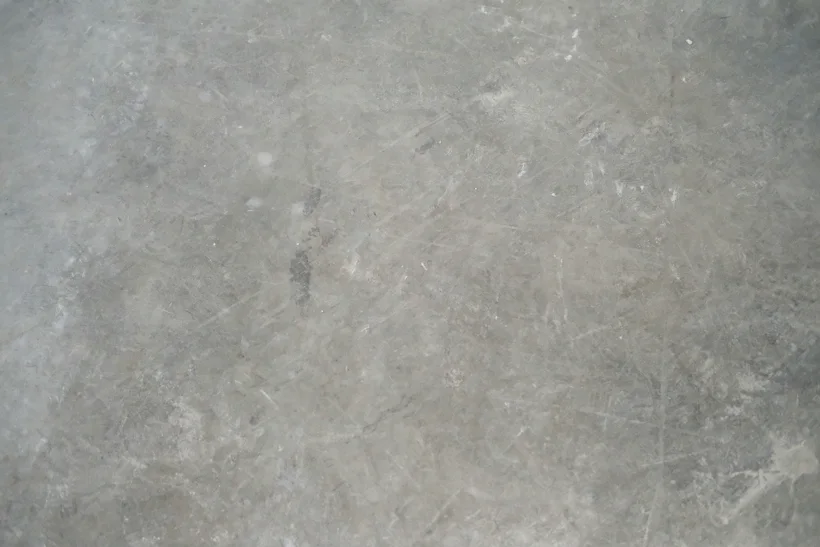
Garage — Kellyville
Polyaspartic · 40m² · Kellyville
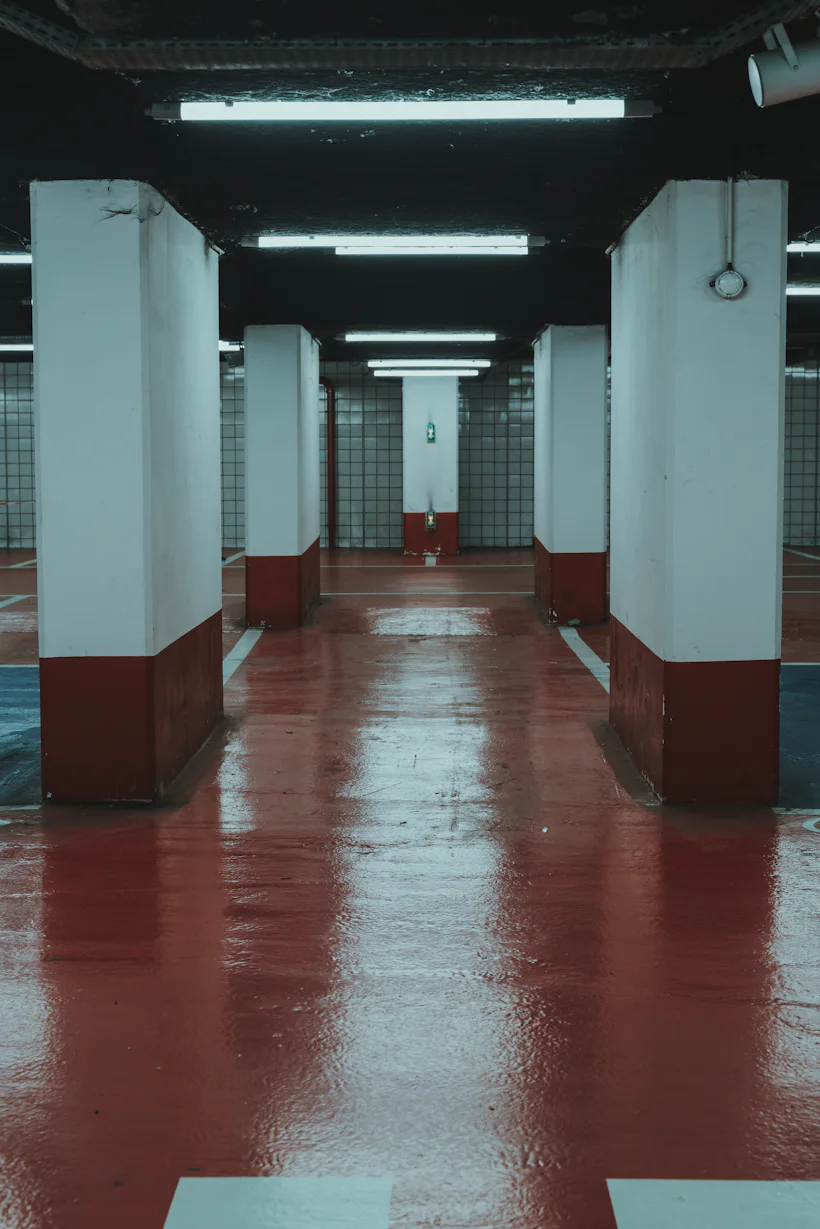
New-estate single garage coated in a one-day polyaspartic system before move-in.
Garage — Penrith
Flake epoxy · 36m² · Penrith
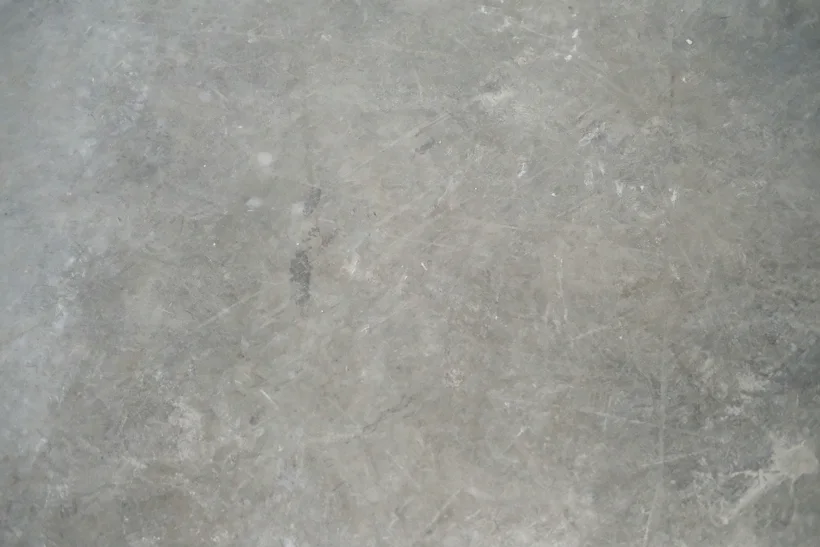
Old stained garage slab ground back, oil contamination removed, finished in a neutral flake.
Drag any slider to reveal the transformation. Browse all projects.
Polyaspartic Floor Coatings Across Sydney
We install polyaspartic floor coatings right across Sydney. Find your suburb:
- Polyaspartic Floor Coatings in Fairfield
- Polyaspartic Floor Coatings in Cabramatta
- Polyaspartic Floor Coatings in Liverpool
- Polyaspartic Floor Coatings in Merrylands
- Polyaspartic Floor Coatings in Auburn
- Polyaspartic Floor Coatings in Parramatta
- Polyaspartic Floor Coatings in Bankstown
- Polyaspartic Floor Coatings in Blacktown
- Polyaspartic Floor Coatings in Mount Druitt
- Polyaspartic Floor Coatings in Baulkham Hills
Polyaspartic Floor Coatings Reviews
Real projects across Sydney, from single garages to multi-thousand-square-metre floors.
“I couldn’t have the garage out of action for days, so they recommended the polyaspartic system and had it done in a single day. Walked on it that night, parked on it the next morning. Faultless, and it’s held up beautifully through a hot Penrith summer.”
Polyaspartic Floor Coatings — FAQs
How much do polyaspartic floor coatings cost?
Polyaspartic systems generally run $60 to $120 per square metre, more than standard epoxy because the material costs more and demands skilled, fast application. You’re paying for UV stability, faster cure and longevity. We provide a written fixed-price quote after inspecting your floor.
Can a polyaspartic floor really be done in one day?
In many cases, yes. Because each coat cures so quickly, we can grind, prime, base-coat, broadcast flake and topcoat within a single day on suitable floors, with foot traffic that evening and vehicles the next day. Larger or heavily damaged floors may still need a second day.
What’s the difference between polyaspartic and epoxy?
Epoxy is a thick, rigid, economical build coat but cures slowly and can yellow in UV. Polyaspartic (an aliphatic polyurea) cures far faster, stays UV-stable, and is more flexible and forgiving of moisture and temperature. Many of our floors combine both: an epoxy build coat for thickness and a polyaspartic topcoat for speed and UV stability.
Is polyaspartic good for outdoor areas?
It’s one of the best options for outdoors. Its UV stability means it won’t amber like standard epoxy, and it handles temperature swings well. We use it regularly on alfresco areas, patios and pool surrounds, usually with anti-slip aggregate for safe footing.
Does polyaspartic yellow in the sun?
No. Unlike standard epoxy, aliphatic polyaspartic is UV-stable and resists yellowing, ambering and chalking. That’s the main reason we specify it for sun-exposed floors where appearance matters.
How durable and slip-resistant is it?
Polyaspartic is extremely durable, with excellent abrasion and chemical resistance — it’s used in commercial and industrial settings as well as homes. For slip resistance we broadcast fine aggregate into the topcoat, which is especially important outdoors and around pools.
Why is polyaspartic more expensive than epoxy?
The raw material costs more, and the fast cure means it must be applied quickly and skilfully with little margin for error. You’re paying for performance — speed of return-to-service, UV stability and long service life — which often justifies the premium for the right project.
Can you put polyaspartic over an existing epoxy floor?
Often yes, if the existing coating is sound and well bonded. We assess adhesion and prepare the surface by grinding to ensure the polyaspartic keys in. If the existing floor is failing, it’s better to remove it and start from properly prepared concrete.
Get Your Free On-Site Quote
Book a free, no-obligation assessment for your polyaspartic floor coatings project anywhere in Sydney.