dance studio flooring · 8 min read
The Best Flooring for Dance Studios in Sydney: Why West Coast Swing Venues Need Sprung or Floating Floors — and How to Choose the Right Product
By Dean Marchetti · Published 15 September 2026
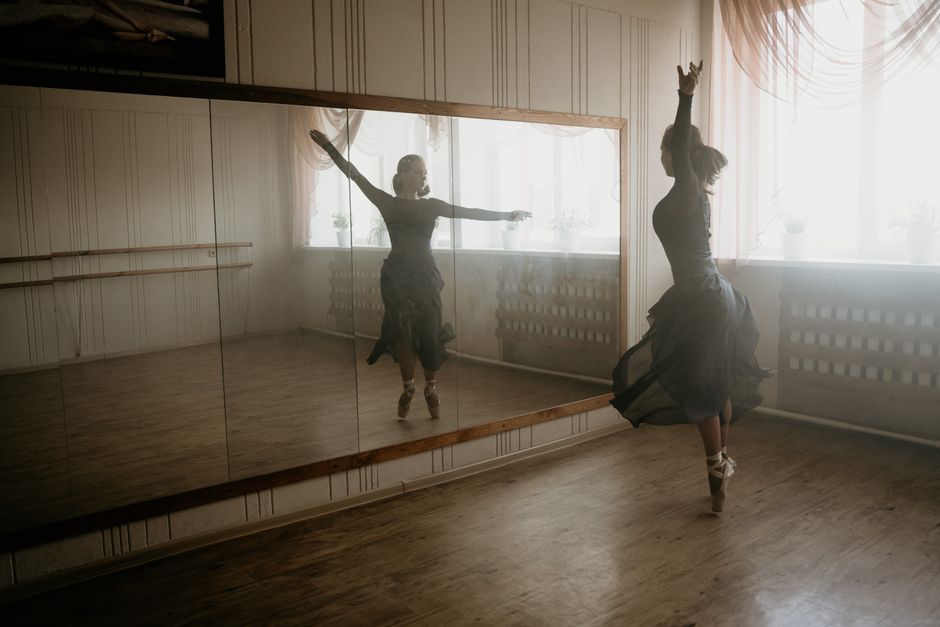
From raw concrete to competition-ready hardwood, the floor beneath a dance studio shapes every class, every social, and every injury statistic — so choosing the right surface is one of the most important decisions a Sydney venue owner will ever make. This guide walks through what the west coast swing community needs from a floor, what products actually deliver it, and how to install them correctly.
Why West Coast Swing Sydney Dancers Put the Floor First
West Coast Swing is a slotted, partner dance defined by elastic connection, controlled slides, and rapid weight transfers — movements that place very specific demands on the surface underfoot. Unlike ballroom styles danced largely on the ball of the foot, west coast swing Sydney dancers push, drag, and pivot through the heel, making floor response and friction consistency genuinely critical.
Talk to any regular at the Sydney west coast swing social scene and the conversation comes back to the floor within minutes. Too grippy and you risk twisted knees mid-turn. Too slick and leads lose their anchor, followers over-travel, and the elastic stretch that defines the dance collapses entirely. The sweet spot — a surface that allows a controlled slide but returns reliable resistance on a planted foot — is surprisingly narrow, and ordinary commercial flooring rarely hits it.
The Hidden Cost of Getting It Wrong
Beyond dancer comfort, a poorly chosen or poorly installed floor carries real liability. Repetitive stress injuries climb when shock absorption is inadequate, and a single slip on an uneven join can end a dancer's season. For studio owners, that translates into insurance claims, reputation damage, and declining enrolments. It is why the most respected west coast swing venues in Sydney treat the subfloor system — not the music, not the décor — as their first infrastructure investment.
The sections that follow explain exactly what a compliant, dancer-friendly floor looks like from the subfloor up.
The Science Behind Sprung and Floating Floors for West Coast Swing Sydney Venues
For west coast swing Sydney dancers, the floor beneath their feet is doing far more mechanical work than it might appear. Understanding the engineering behind sprung and floating floor systems helps studio owners make genuinely informed decisions — rather than simply picking the cheapest option and hoping for the best.
A sprung floor uses a substructure of flexible battens, rubber isolators, or engineered joist assemblies installed beneath the surface layer. This substructure acts like a distributed suspension system, absorbing vertical impact energy and returning a controlled amount of it with each step. The result is a surface with measurable deflection and rebound — typically between 3 mm and 15 mm depending on the system — that dramatically reduces the cumulative load on ankles, knees, hips, and the lower spine.
A floating floor, by contrast, is not mechanically fastened to the concrete slab beneath it. Instead, it sits on a continuous resilient underlayer — often foam, cork, or rubber — that decouples the surface from the structural substrate. This decoupling serves two purposes:
- Shock absorption — reducing peak impact forces transmitted to joints during footwork-intensive patterns
- Acoustic isolation — dampening the low-frequency thumping that travels through concrete slabs into adjoining spaces
The key measurement engineers use when assessing either system is force reduction, expressed as a percentage relative to a rigid concrete reference surface. World-leading standards recommend at least 25–53% force reduction for dance applications. Neither system achieves this from the surface layer alone — it is entirely dependent on what lies underneath. That distinction matters enormously when evaluating any coating or finish applied on top, including the hardwood, vinyl, or sealed timber panels most Sydney dance studios prefer.
Comparing Your Options: Sprung Systems, Floating Panels, and Hardwood Overlays for West Coast Swing Sydney Venues
When west coast swing Sydney studio owners start researching floor builds, they quickly discover three main construction approaches — each with distinct trade-offs in cost, shock absorption, maintenance, and compatibility with the substrate beneath.
- Sprung subfloor systems use a series of rubber or foam pads, battens, and a structural deck to create a true air gap between the dance surface and the concrete slab. This delivers the highest level of energy return and joint protection, making it the gold standard for full-time dance facilities. The downside is cost and installation time — and the concrete underneath must be clean, level, and dry before any framework goes down.
- Floating interlocking panels are a faster, more affordable middle ground. Engineered timber or composite tiles lock together over a thin foam or resilient underlay, sitting directly on the slab without adhesive. They can be installed over a weekend, are relocatable, and still provide meaningful shock absorption compared to a dead concrete surface. They suit multi-purpose rooms and smaller west coast swing Sydney social venues that can't commit to a permanent build.
- Hardwood overlays — typically tongue-and-groove maple or spotted gum glued or nailed to a plywood subfloor — offer the truest dance feel and the most visually appealing finish. However, they transfer more impact to the slab and demand a perfectly prepared substrate. Any moisture, unevenness, or contamination in the concrete will telegraph straight through.
That last point is where how we prepare concrete becomes directly relevant, even for a dance studio project. Whether you're floating panels or bonding hardwood, a diamond-ground, moisture-tested slab is the non-negotiable starting point — the same standard Ironclad Floors applies across every commercial flooring project we take on in Sydney.
Key Buying Criteria for Sydney Dance Studio Owners
Whether you're outfitting a dedicated venue or converting a commercial space to host west coast swing sydney classes and socials, the flooring decision involves more than aesthetics. Get it wrong and you're looking at joint injuries, poor slide control, and a reputation that suffers accordingly. Here are the criteria that should drive your shortlist.
- Shock absorption rating: Look for a floor system with a verified force-reduction percentage — ideally 25–60% depending on the dance style. West coast swing's slot-pattern footwork and anchor steps place repetitive lateral load on knees and ankles, so this number matters enormously.
- Surface hardness and slip resistance: You need a Pendulum Test Value (PTV) in the low-to-mid range — grippy enough to prevent slips during directional changes, smooth enough to allow controlled slides. Hardwood maple and certain engineered vinyls hit this sweet spot; polished concrete without a dance-specific top coat typically does not.
- Subfloor compatibility: Sydney's older commercial buildings often sit on suspended timber or slab-on-ground concrete. A floating floor system must be able to accommodate both without voiding its warranty. Confirm this in writing before you sign anything.
- Moisture management: Concrete slabs across Sydney's coastal suburbs can carry rising damp. Any sprung or floating system installed directly over slab needs an appropriate moisture barrier, or the whole investment delaminate within a season.
- Maintenance demands and longevity: Studio floors take a punishing schedule — nightly classes, weekend workshops, competitions. Prioritise surfaces that can be screened and recoated rather than fully replaced when they eventually show wear.
- Budget versus lifecycle cost: A cheaper install that needs replacing in five years costs more than a premium system lasting fifteen. Factor in downtime costs when your studio floor is unavailable.
Bottom line: document every criterion above and ask each supplier to address it specifically — vague answers signal a product that hasn't been engineered with dance performance in mind.
Installation, Maintenance, and Long-Term Costs for West Coast Swing Sydney Venues
Choosing the right sprung or floating floor for a west coast swing Sydney studio is only half the equation — understanding the full lifecycle cost is just as important for venue owners and operators making a long-term investment.
What to Expect During Installation
Professional installation of a sprung or floating floor typically takes two to four days depending on room size and subfloor condition. The concrete substrate must be level, clean, and dry before any system goes down. This is where preparation makes or breaks the result — an uneven slab will telegraph through even the best floating panel system, creating dead spots and edge gaps that frustrate dancers and accelerate wear. Budget for subfloor levelling as part of the overall project cost, not an afterthought.
Ongoing Maintenance to Protect Your Investment
- Daily: Dry-mop or microfibre sweep to remove grit that scratches the wear layer
- Weekly: Damp-mop with a pH-neutral, residue-free cleaner — avoid excess water near panel joints
- Annually: Inspect spring cartridges or foam isolation layers for compression fatigue; check perimeter expansion gaps remain clear
- Every 5–10 years: Resurface or replace the top wear layer depending on traffic volume
Hardwood overlay systems can be sanded and refinished multiple times, extending their usable life well beyond twenty years. Vinyl wear layers are lower maintenance but will eventually need full replacement rather than spot repairs.
Total cost of ownership over a decade — including installation, periodic refinishing, and routine maintenance — is considerably lower than repeatedly replacing an unsuitable hard surface that damages both dancers and the venue's reputation.
From understanding the biomechanical demands of partner dancing to comparing sprung and floating systems, evaluating surface finishes, sourcing quality products locally, and planning for long-term maintenance costs, every decision compounds. Get the floor right from day one and your Sydney dance venue will reward both dancers and your balance sheet for years to come.

Dean Marchetti
Founder & Managing Director at Ironclad Floor Solutions. About the author