dance studio flooring · 8 min read
Dance Studio Flooring Maintenance Tips: Keep Every Floor Type in Peak Condition
By Dean Marchetti · Published 1 October 2026
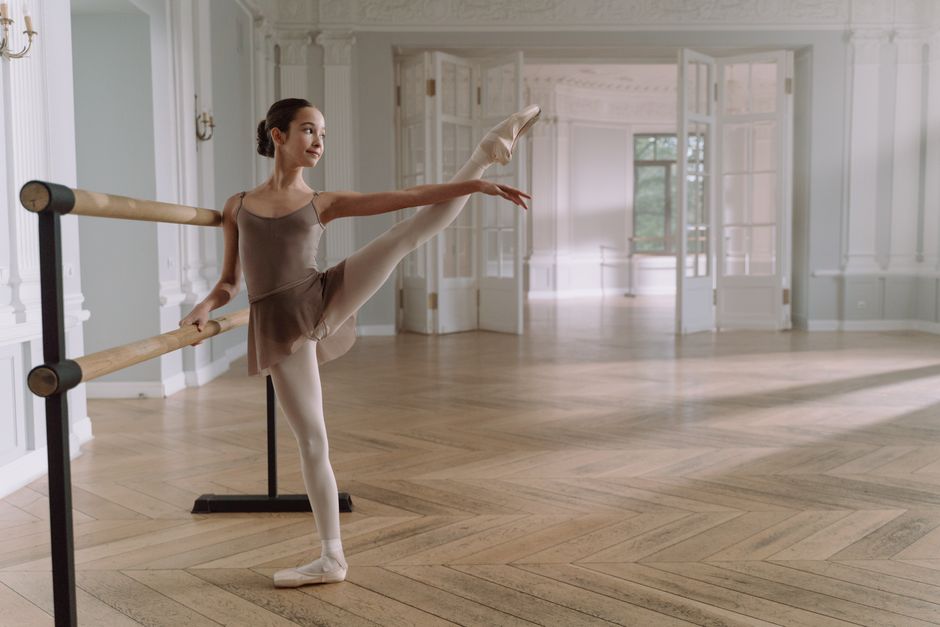
Keeping your dance studio floor in peak condition requires a tailored approach — and that starts with knowing exactly what you're working with. Whether you manage a boutique ballet school or a high-traffic commercial dance facility in Sydney, the right maintenance routine can dramatically extend the life of your floor investment.
Understanding Different Dance Studio Floor Types
Before you reach for the mop or call in a floor coating specialist, it's essential to identify which floor type you have underfoot. Dance studios typically fall into one of several categories, each with its own maintenance demands and tolerances:
- Sprung hardwood floors — The traditional choice for ballet and contemporary dance. These timber systems sit over a shock-absorbing subfloor and require careful humidity control, periodic sanding, and specialised oil or lacquer finishes to prevent warping and splintering.
- Vinyl and Marley floors — A popular, cost-effective option that rolls out over a solid substrate. Marley surfaces are low-maintenance but sensitive to certain cleaning chemicals that can degrade their slip-resistance properties.
- Concrete and coated floors — Increasingly common in multipurpose studios, concrete bases are sometimes finished with epoxy or polyaspartic coatings for durability and easy cleaning. As flooring professionals who work across commercial and residential sites daily, we at Ironclad Floors understand that a properly diamond-ground and coated concrete surface can be every bit as long-lasting as more traditional options — provided maintenance is consistent.
- Laminate and engineered timber — These offer the visual warmth of hardwood with somewhat greater moisture resistance, though they still require gentle, pH-neutral cleaning products.
Understanding the distinction matters because applying the wrong cleaner, polish, or sealant to the wrong surface — much like launching a product into the wrong environment, as businesses learned from virtual community platforms — can produce costly, unexpected results. Identifying your floor type is genuinely the foundation of every good maintenance plan that follows.
Daily Cleaning Routines to Protect Your Dance Floor
Just as a quality floor coating performs best when the surface beneath it is properly prepared, a dance studio floor rewards consistent daily care. Skipping routine cleaning might seem harmless in the short term, but grit, dust, rosin residue, and moisture are slow-acting enemies that degrade even the most durable flooring surfaces over time.
Building a simple daily habit protects your investment and keeps the floor safe for dancers. Here is what a practical daily routine should include:
- Dry sweep before and after every class. Use a wide microfibre dust mop rather than a stiff bristle broom. Microfibre lifts fine particles without scratching the surface or pushing debris into seams.
- Remove street shoes at the door. Outside grit is one of the fastest ways to introduce abrasive particles onto a dance surface. A firm policy here reduces cleaning time significantly.
- Spot-clean spills immediately. Water, sports drinks, and body lotion tracked from bare feet should be wiped up with a lightly dampened cloth as soon as they appear. Standing moisture softens adhesives and can lift vinyl or timber finishes from the subfloor.
- Check for rosin build-up. Ballet and contemporary studios often use rosin blocks for grip. Rosin accumulates quickly and becomes sticky and discoloured if not addressed daily with a pH-neutral cleaner.
- Inspect for surface damage. At the end of each day, do a quick visual scan for scuffs, bubbling, or lifted edges. Catching minor issues early prevents costly repairs later.
The key principle here mirrors good trade practice in any surface coating context: preparation and maintenance are inseparable from performance. A floor that is cleaned consistently will hold its finish longer, stay safer underfoot, and ultimately cost far less to maintain across its full lifespan.
Preventing Common Dance Floor Damage
Even the most resilient dance studio floor can deteriorate quickly without the right protective habits in place. Understanding where damage typically originates — and acting before it takes hold — is far more cost-effective than reactive repairs down the track.
- Control what comes in from outside. Grit, sand, and street debris tracked in on street shoes are among the leading causes of surface scratches. Place heavy-duty matting at every entrance and enforce a strict no-street-shoes policy inside the studio.
- Watch your footwear. Worn-down heel caps and exposed nails or screws on dance shoes act like tiny chisels against your floor's finish. Schedule regular footwear inspections as part of your studio's routine.
- Manage moisture carefully. Spilled water, humidity, and inadequate subfloor vapour barriers accelerate delamination and warping — particularly on sprung timber floors. Wipe spills immediately and monitor indoor humidity levels, especially through Sydney's humid summer months.
- Protect against heavy equipment. Stereo stands, speaker boxes, and portable barres concentrate enormous point-load pressure. Use rubber feet or load-spreading pads under any equipment that sits directly on the floor surface.
- Avoid harsh cleaning chemicals. Solvent-based cleaners and bleach can strip protective coatings and dull the surface finish over time. Always use pH-neutral products recommended for your specific floor type.
For studios considering an upgrade to a harder-wearing surface in adjoining spaces — like reception areas, change rooms, or corridors — a professionally applied coating system can dramatically reduce ongoing maintenance demands. High-traffic transition zones in commercial dance facilities particularly benefit from surfaces built with durability at their core; it's worth reviewing the commercial flooring options available if those peripheral areas are taking a beating alongside your main studio floor.
Prevention always starts with preparation — both in how you care for the floor daily and in how well it was installed from the beginning.
Deep Cleaning and Refinishing Your Studio Floor
Even with diligent daily and weekly maintenance, dance studio floors eventually accumulate grime in the grain, lose their surface sheen, and develop micro-scratches that routine mopping simply cannot address. Scheduling a proper deep clean two to four times per year — depending on class volume — keeps the substrate in peak condition and extends the life of any protective coating significantly.
For sprung timber floors, deep cleaning typically involves a pH-neutral wood cleaner applied with a microfibre mop, followed by gentle machine buffing to lift embedded residue without saturating the boards. Avoid steam cleaners entirely; the moisture penetrates between planks and causes warping or delamination of the subfloor assembly beneath.
For studios fitted with sealed concrete, polyurethane, or coated surfaces, the deep cleaning process looks a little different:
- Strip old polish or wax buildup using a manufacturer-approved stripper before any new product is applied
- Machine scrub with a low-speed floor buffer and a neutral detergent to break up compacted soil in textured surfaces
- Rinse thoroughly with clean water and allow full drying time before reopening the space
- Inspect for worn patches, peeling, or delamination before applying any fresh sealer or polish coat
Refinishing is the next step when deep cleaning alone is no longer enough. Timber floors can be sanded back and resealed, while coated concrete surfaces may need the existing finish mechanically abraded before a fresh topcoat is applied. This is where the preparation stage becomes critical — a lesson that quality flooring professionals understand well. Skipping proper surface prep before refinishing leads to poor adhesion, premature peeling, and a finish that fails under the repeated friction and foot traffic a busy studio generates.
Always consult your floor's original installer or a qualified flooring professional before refinishing, as using incompatible products can void warranties and cause costly damage to the substrate below.
Choosing the Right Products for Dance Floor Care
Not all cleaning and maintenance products are created equal, and using the wrong ones on your dance studio floor can cause serious — sometimes irreversible — damage. Whether your studio runs on sprung hardwood, vinyl, or a sealed concrete surface, selecting purpose-built products is one of the smartest investments you can make in your floor's longevity.
- pH-neutral cleaners: Harsh alkaline or acidic cleaners strip protective coatings and dull surface finishes over time. Always opt for a pH-neutral, residue-free formula designed specifically for dance or performance flooring.
- Non-slip floor conditioners: For vinyl dance floors in particular, a dedicated conditioner maintains the surface's engineered slip resistance — critical for both performance and dancer safety.
- Penetrating sealers for hardwood: If your studio has timber floors, use a penetrating sealer rather than a surface-build product. These protect from within without creating a slippery film that compromises footwork.
- Microfibre mop systems: Paired with the right cleaner, microfibre mops lift dirt without scratching, and they're gentle enough for daily use without accelerating surface wear.
Avoid general-purpose household products, oil-based soaps, and wax-based polishes unless they are explicitly approved by your floor manufacturer. Many of these leave behind residues that affect traction and attract grit — both enemies of a high-performance dance surface.
When in doubt, contact your floor supplier for a recommended product list. Keeping that list on hand for your cleaning staff removes the guesswork and protects your warranty coverage.
Consistent, well-informed floor care is what separates a studio that replaces its floor every few years from one that protects its surface for decades. By combining the right daily habits, seasonal maintenance schedule, and purpose-built products, your dance floor will continue to perform at its best — and so will everyone who dances on it.

Dean Marchetti
Founder & Managing Director at Ironclad Floor Solutions. About the author