sprung floor · 8 min read
Sprung Floor Installation Cost in Australia: A Complete Pricing Guide
By Dean Marchetti · Published 30 September 2026
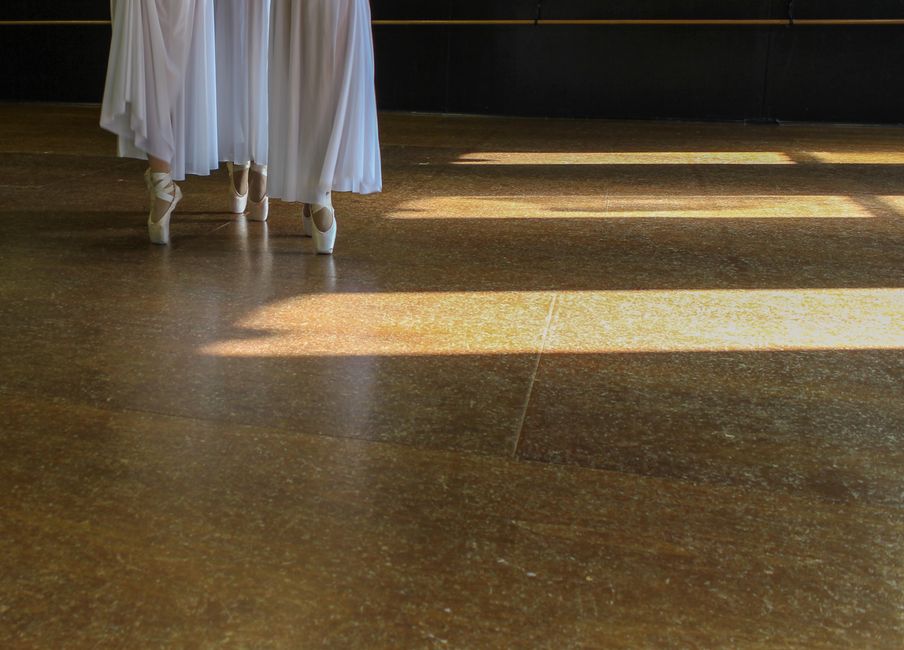
Whether you're fitting out a dance studio, a school gymnasium, or a performance venue, understanding the full cost picture before you commit is essential — this guide breaks down every major factor that shapes sprung floor installation costs across Australia. Let's start with the basics.
What Is a Sprung Floor and Why Does It Matter
A sprung floor is a specially engineered flooring system designed to absorb and redistribute impact energy, reducing the physical stress placed on joints, muscles, and tendons during high-intensity movement. Unlike a rigid concrete slab or a standard timber floor laid directly on a subfloor, a sprung floor incorporates a resilient layer — typically rubber pads, foam blocks, or a network of batten supports — between the subfloor and the finished surface. The result is a floor that has controlled "give," returning energy to the performer or athlete rather than transferring it directly into the body.
This engineering principle matters enormously in practice. Venues like the Majestic Theatre, Pomona illustrate how performance spaces have long prioritised floor quality as central to both safety and artistic output. Dancers, gymnasts, basketball players, and even martial artists perform at a meaningfully lower injury risk on a properly constructed sprung floor compared to a hard, unyielding surface.
From a facilities perspective, the type of sprung floor you choose also affects:
- Acoustic performance — reducing impact noise transmitted to floors below
- Surface finish options — hardwood overlay, vinyl, or polyurethane sport coatings
- Longevity — quality systems can outlast a building's other fit-out elements by decades
- Compliance — particularly relevant for Australian schools and commercial venues meeting sport and safety standards
Understanding what sits underneath that finished surface is the first step toward making sense of the installation costs that follow throughout this guide.
Average Sprung Floor Installation Costs in Australia
Understanding what you're likely to spend before calling a contractor is always a smart move. In Australia, sprung floor installation costs vary considerably depending on system type, subfloor condition, and location — but the figures below give you a reliable working range to plan your budget.
- Prefabricated sprung panel systems: Typically $80–$150 per square metre supply and install, making them one of the more accessible entry points for smaller studios and school halls.
- Battened or floating timber sprung floors: Expect $120–$220 per square metre installed, depending on the hardwood species and whether an existing slab requires levelling first.
- High-performance arena or stage systems: Purpose-built sprung floors for professional dance, basketball, or performance venues can reach $250–$400+ per square metre once acoustic underlays, maple hardwood surfaces, and line-marking are included.
For a practical example, a mid-range dance studio measuring 80 square metres would typically fall between $9,600 and $17,600 all in — before any finishing coats, court markings, or skirting work.
It's worth noting that subfloor preparation is one of the biggest variables in any final quote. Concrete that is cracked, uneven, or contaminated with old adhesives will need grinding, patching, or moisture remediation before any sprung system goes down. Skipping proper prep is where long-term problems — and expensive callbacks — begin. The same principle holds true across all flooring disciplines: whether you're laying a sprung hardwood floor in Parramatta or applying an epoxy coating in a Sydney warehouse, a properly prepared substrate is the single greatest factor in how long the finished surface performs.
| System Type | Estimated Cost (per m²) | | --- | --- | | Prefabricated panel | $80 – $150 | | Battened timber | $120 – $220 | | Professional arena/stage | $250 – $400+ |
Key Factors That Affect Your Total Sprung Floor Installation Cost
No two sprung floor projects carry the same price tag, and understanding what drives the variation can help you budget with confidence before you request a single quote. Here are the primary variables installers assess when calculating your final figure:
- Floor area and room dimensions: Per-square-metre rates drop as the area grows, so a large gymnasium or performing arts hall will cost less per m² than a small dance studio. Irregular room shapes that require additional cutting and fitting push labour time — and therefore cost — upward.
- System type: Floating rubber-pad systems sit at the affordable end, while engineered hardwood sprung systems with multiple resilient layers attract a premium. The intended use — professional sport, dance, fitness, or multi-purpose — guides which system is actually appropriate.
- Subfloor condition: This is where many budgets get caught off guard. A concrete slab that is cracked, uneven, or contaminated with moisture will require levelling compounds, moisture barriers, or grinding before installation can begin. How we prepare concrete outlines why thorough subfloor assessment matters — the same principle applies whether you're laying an epoxy coating or a sprung timber system.
- Surface finish selected: Hardwood maple is the benchmark for performance courts, but engineered vinyl and laminate overlays offer a more cost-effective finish for multi-use community spaces.
- Location and site access: Sydney metro installations are generally well-serviced, though tight stairwells, upper-level rooms without lift access, or regional sites can add freight and labour costs.
- Line marking and accessories: Sports court markings, skirting boards, and threshold trims are often quoted separately and can add several thousand dollars to a commercial project.
If your project also involves an adjoining garage, workshop, or commercial space requiring a hard-wearing surface finish, pairing your sprung floor with a commercial epoxy coating in adjacent areas is worth factoring into your overall scope from the outset.
Sprung Floor Types and Their Cost Differences
Not all sprung floors are built the same way, and the system you choose will have the single biggest influence on your final installation cost. In Australia, there are three main construction types, each sitting at a different price point and suited to different performance requirements.
- Foam-pad or rubber-pad systems: The most affordable entry point, these use a layer of foam or rubber pads placed beneath a timber or engineered board surface. Installed costs typically range from $80 to $130 per square metre depending on pad density and board thickness. They suit multipurpose school halls and low-to-mid-intensity fitness studios but offer less energy return than purpose-built performance systems.
- Batten or sleeper systems: A mid-range option where timber battens are laid across resilient rubber feet, then topped with a structural subfloor and finish board. Expect to pay roughly $130 to $200 per square metre installed. This construction is popular in dance studios and community sports halls across New South Wales and Victoria, where consistent deflection across the whole floor is essential.
- Double-leaf or fully floating systems: The premium tier used in professional basketball courts, elite gymnastics centres and performing arts venues. Two independent structural layers sit on engineered resilient elements, delivering superior shock absorption and ball bounce compliance. Installed costs generally start at $200 per square metre and can exceed $350 for certified competition-grade builds.
Beyond the structural system, the finish surface adds further cost variation. Hardwood maple remains the premium choice for sports applications, while engineered timber and vinyl sports surfaces offer budget-friendly alternatives without sacrificing compliant performance.
When comparing quotes, always confirm which system category is being priced. A low headline figure often reflects a basic pad system where a batten or floating build was expected — understanding these distinctions upfront prevents costly surprises mid-project.
How to Choose the Right Sprung Floor Installer in Australia
Selecting the right installer is just as important as the floor system itself. A poorly laid sprung floor can lose its performance characteristics within months, wasting thousands of dollars and potentially causing injury. Here is what to look for before signing any contract.
- Verify industry experience: Ask specifically how many sprung floors the contractor has installed, and request references from comparable projects — whether that is a dance studio, school gymnasium or sports hall. Generic flooring experience is not enough.
- Check licensing and insurance: Any legitimate Australian contractor should hold a current builder's licence for your state or territory and carry public liability insurance of at least $10 million. Request copies of both before work begins.
- Demand a written specification: A professional quote should detail the subfloor system type, timber species and grade, finish product, moisture barrier provisions and expected installation timeline. Vague quotes invite disputes later.
- Understand warranty terms: Ask what the warranty covers — workmanship, delamination, surface finish — and for how long. Confirm whether the warranty is voided by specific cleaning products or humidity conditions common in Australian climates.
- Assess subfloor preparation approach: Just as quality epoxy and polyaspartic coating work depends entirely on correct concrete preparation, sprung floor longevity hinges on how well the substrate is assessed and treated before installation begins. Contractors who skip or rush this step create problems down the track.
- Get at least three quotes: Pricing varies significantly across Australia. Multiple quotes let you compare not just cost but the depth of each contractor's technical knowledge and professionalism.
Choosing wisely at this stage protects your investment for decades to come.
Understanding sprung floor installation costs in Australia comes down to knowing your floor type, your substrate condition, your state's labour rates and the quality of contractor you engage. By budgeting realistically — factoring in preparation, materials, finishing and ongoing maintenance — and by taking the time to vet your installer thoroughly, you can commission a sprung floor that performs safely, complies with relevant standards and delivers lasting value well beyond its initial price tag.

Dean Marchetti
Founder & Managing Director at Ironclad Floor Solutions. About the author