NDIS · 8 min read
NDIS Home Modification Flooring Requirements in Australia: What You Need to Know
By Dean Marchetti · Published 2 October 2026
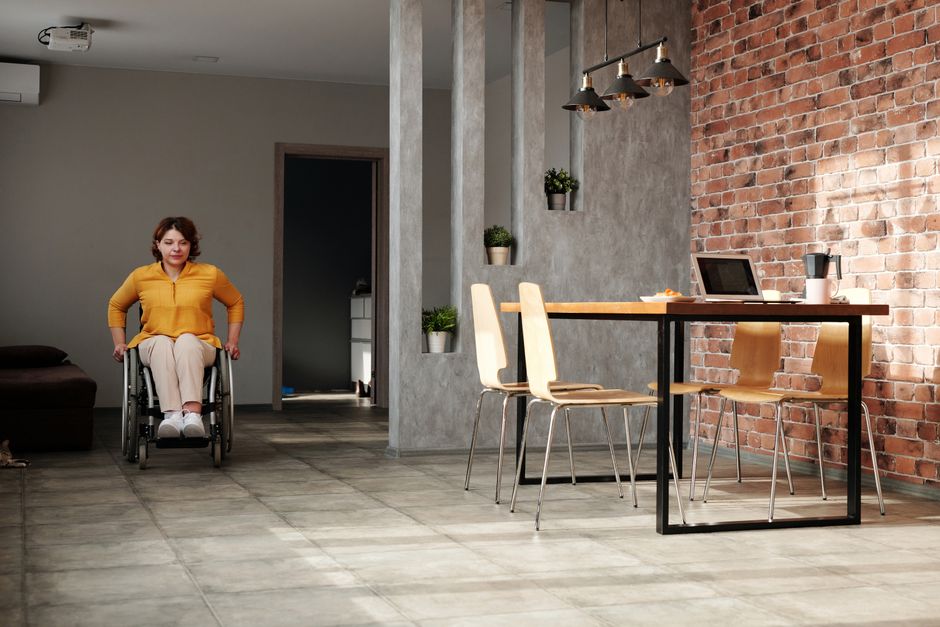
If you're exploring NDIS funding for home modifications in Australia, understanding what flooring solutions qualify — and why — is the first step to making smart, compliant choices. This guide breaks down the key requirements, eligible surfaces, and practical options that work in real homes across Sydney and beyond.
What Are NDIS Home Modification Flooring Requirements?
The National Disability Insurance Scheme (NDIS) funds home modifications under its Capital Supports budget, specifically within the Improved Living Arrangements and Home Modifications categories. Flooring can qualify as a funded modification when it directly addresses a functional need related to a participant's disability — not simply as a cosmetic upgrade.
To meet NDIS home modification flooring requirements in Australia, the flooring solution must generally satisfy the following criteria:
- Accessibility and mobility: The surface must reduce trip hazards, support wheelchair or mobility aid movement, or improve ease of navigation through the home.
- Safety standards compliance: Flooring must meet relevant Australian Standards, particularly around slip resistance (AS 4586) in wet areas and high-traffic zones.
- Durability and maintenance: Materials should be low-maintenance and withstand the demands of assistive equipment, such as wheelchairs, walkers, and shower chairs.
- Occupational Therapist (OT) recommendation: An NDIS-registered OT must assess the participant's needs and formally recommend the modification as reasonable and necessary.
- Proportionality: The cost and scope of the flooring work must be proportionate to the functional benefit delivered to the participant.
In practical terms, this means smooth, seamless, and slip-resistant flooring surfaces — such as epoxy and polyaspartic coatings — are increasingly being assessed favourably for NDIS-funded modifications, particularly in garages used for vehicle access, wet areas, and entry zones. Their seamless finish eliminates grout lines and surface joins that can catch wheels or create uneven transitions, directly addressing common mobility challenges.
Always confirm eligibility with your NDIS planner or support coordinator before proceeding with any modification work.
Types of Flooring That Meet NDIS Safety and Accessibility Standards
Not every flooring product qualifies under NDIS home modification guidelines. The scheme assesses flooring primarily against slip resistance, surface continuity, and the ability to support mobility aids — so the material you choose matters as much as how it is installed.
Below are the most common flooring types that align with NDIS safety and accessibility requirements, along with their key characteristics:
- Epoxy floor coatings: When specified with a broadcast anti-slip aggregate or textured finish, epoxy coatings can achieve the wet and dry slip-resistance ratings required in AS 4586. They create a seamless, level surface with no joins or edges for wheels or walking frames to catch on — a significant practical advantage for wheelchair and walker users.
- Polyaspartic coatings: A fast-cure, UV-stable alternative to standard epoxy, polyaspartic coatings offer similar anti-slip customisation and produce an equally seamless substrate. Their durability under heavy rolling loads makes them well suited to high-traffic accessible areas such as garages, entries, and indoor-outdoor transition zones.
- Vinyl and luxury vinyl plank (LVP): Low-profile, resilient, and available in slip-rated finishes, LVP is a common choice for wet areas and living spaces within NDIS modifications.
- Polished or sealed concrete: Acceptable when correctly treated to meet the required P3 or P4 wet slip-resistance classifications, particularly in outdoor or covered transition areas.
- Carpet tiles: Low-pile, firmly bonded carpet tiles may be approved for bedroom and lounge applications where acoustic comfort is also a modification goal.
For garages, outdoor pathways, ramps, and wet-area entries — spaces that frequently form part of an NDIS home modification scope — epoxy and polyaspartic coatings are among the most practical solutions. They eliminate level changes, tolerate moisture, and can be dialled to the exact slip-resistance rating an assessor requires.
How to Apply for NDIS Funding for Flooring Modifications
Navigating the NDIS funding process can feel daunting, but breaking it down into clear steps makes it far more manageable. Whether you're a participant, carer, or support coordinator, understanding the pathway helps ensure the right flooring modifications are approved and funded without unnecessary delays.
- Step 1 – Confirm your plan includes Capital Supports: NDIS flooring modifications are funded under the Capital Supports budget, specifically the Home Modifications category. Check your current NDIS plan to confirm this budget category is active before proceeding.
- Step 2 – Get an Occupational Therapist (OT) assessment: An OT must assess your home environment and provide a formal recommendation outlining which flooring changes are necessary to support your functional needs. This report is the cornerstone of your funding application.
- Step 3 – Obtain quotes from qualified contractors: The NDIS generally requires at least one detailed quote from a contractor with relevant experience in home modifications. Choosing a contractor familiar with NDIS compliance requirements — including slip resistance ratings and surface preparation standards — strengthens your application.
- Step 4 – Submit through your NDIS portal or plan manager: Your support coordinator or plan manager lodges the request, attaching the OT report and contractor quotes. For modifications exceeding $20,000, the NDIA may appoint their own assessor.
- Step 5 – Await approval and schedule works: Once approved, works can be scheduled and completed by your chosen contractor.
If your modification involves concrete surfaces — common in garages, patios, or open-plan living areas — the flooring solution must meet strict performance and safety benchmarks. It's worth reviewing what different coating systems offer in terms of slip resistance, durability, and maintenance before your OT finalises their report. For project-specific advice, request a free quote from Ironclad Floors to discuss NDIS-compliant options across Sydney.
Working With Registered NDIS Providers and Occupational Therapists
Getting your flooring right under the NDIS isn't just about picking the correct surface — it's about working through the right people in the right order. Before any installation begins, an occupational therapist (OT) must assess your home and document exactly what modifications are required. This assessment forms the backbone of your NDIS funding application and specifies the performance requirements your flooring must meet, including slip resistance ratings, transition heights between surfaces, and any wheelchair or mobility aid considerations.
Once an OT report is in place, your NDIS plan manager or support coordinator will help identify registered providers who can carry out the work. When it comes to flooring, this is where choosing the right contractor matters enormously. Not every flooring business understands the compliance standards tied to NDIS home modifications — particularly around wet area coatings, anti-slip surface preparation, and transitions that won't create a trip hazard.
There are several key steps to follow when coordinating your modification:
- OT assessment first: Your therapist specifies what the floor must achieve functionally, not just aesthetically.
- Get quotes from NDIS-familiar contractors: They should understand AS 4586 slip resistance classifications and be able to document their materials and methods clearly.
- Confirm warranty and compliance documentation: Funding bodies may request evidence that installed surfaces meet the specified performance standards.
- Involve your OT in sign-off: Many plans require the therapist to confirm the completed modification meets the original specification.
For garages, wet areas, and internal concrete slabs — common modification zones — polyaspartic and epoxy coatings with diamond-ground preparation can consistently meet the slip resistance and durability thresholds OTs specify. The key is working with an installer experienced enough to provide that documentation confidently and back their work with a written warranty.
Common Flooring Modifications Approved Under NDIS Plans
When it comes to practical, funded flooring upgrades, NDIS participants across Sydney and greater NSW are increasingly turning to surface solutions that combine safety with long-term durability. Below are the most commonly approved modifications seen under Capital Supports and Improved Living Arrangements funding categories:
- Non-slip epoxy and polyaspartic coatings — Applied over diamond-ground concrete, these seamless coatings eliminate trip hazards from grout lines, joins and uneven tiles while delivering a surface that meets AS 4586 slip-resistance standards in wet and dry conditions.
- Anti-slip flake and chip systems — Broadcast flake finishes create a tactile surface texture that aids grip for mobility aid users, wheelchair tyres and bare feet near wet areas such as bathrooms and laundries.
- Threshold and level transition repairs — Grinding down raised concrete edges or filling sunken sections eliminates the micro-trip hazards that pose significant risk to people with limited mobility or vision impairment.
- Pool surround and wet area coatings — Slip-rated outdoor coatings applied around pool decks, patio entries and ramp surfaces provide compliant, weather-resistant finishes that hold up to Sydney's coastal conditions.
- Removal of existing hazardous floor coverings — Stripping worn carpet, lifting cracked tiles and replacing them with a smooth, seamless coated surface removes both trip hazards and maintenance-intensive materials difficult to clean with assistive equipment.
Each of these modifications can be scoped in a formal quote, assessed by an occupational therapist, and submitted as part of a reasonable and necessary supports request under your NDIS plan.
Understanding NDIS home modification flooring requirements gives participants, carers and support coordinators the clarity needed to pursue meaningful, funded upgrades. From slip-resistance standards and OT assessments through to choosing the right coating system for your home, every step builds toward a safer living environment. If you are based in Sydney and ready to explore compliant flooring solutions, consulting with an experienced installer who understands both the technical and NDIS documentation requirements is the smartest place to start.

Dean Marchetti
Founder & Managing Director at Ironclad Floor Solutions. About the author